How easy to get a fake Universitas Brunensis certificate online?
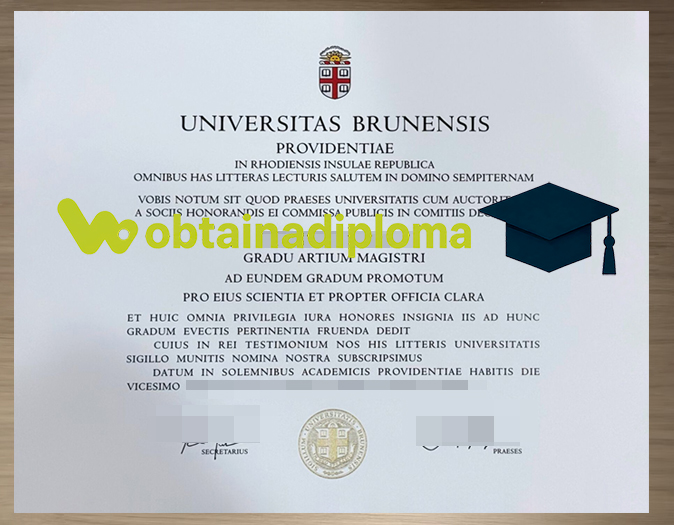
Universitas Brunensis is the Latin name for Brown University, a prestigious private Ivy League research institution located in Providence, Rhode Island, United States.Universitas Brunensis diploma,Universitas Brunensis degree,Universitas Brunensis transcript. Founded in 1764, Brown holds the distinction of being the seventh-oldest institution of higher education in the United States and the third oldest in New England. This article provides a comprehensive overview of the university’s history, academic philosophy, and institutional character.
Who can make a realistic Universitas Brunensis degree certificate online?
Historical Foundations
Established as “The College in the English Colony of Rhode Island and Providence Plantations,” Brown was one of nine Colonial Colleges founded prior to the American Revolution. From its inception, the university distinguished itself through its commitment to religious openness.
It was the first college in the United States to accept students regardless of their religious affiliation, a radical departure from the practices of other colonial-era institutions. The university was renamed Brown University in 1804 following a generous donation from Nicholas Brown Jr., a prominent alumnus and benefactor.Purchase a diploma from an American university
The Latin Identity
The designation “Universitas Brunensis” serves as the university’s formal Latin name, appearing on official seals and ceremonial documents. This Latin nomenclature connects Brown to the rich tradition of classical scholarship that has long characterized Western academic institutions. While the Latin name has remained constant throughout its history, the university’s seal continues to bear the motto “In Deo Speramus” (In God We Hope), reflecting its historical foundations.
Academic Innovation: The New Curriculum
Brown’s most significant academic contribution to American higher education came in 1969 with the adoption of the “New Curriculum,” sometimes referred to as the Brown Curriculum. Following a period of intensive student advocacy, the faculty voted to eliminate mandatory general education distribution requirements. This reform allowed students to become “the architects of their own syllabus,” granting them unprecedented freedom to design their educational paths.
Under this system, students may take any course on a satisfactory/no-credit basis, and the university’s grading system does not employ pluses or minuses. This pedagogical approach has become a defining feature of the Brown experience and has influenced educational theory well beyond the institution.
Brown also established the oldest undergraduate engineering program in the Ivy League in 1847, demonstrating its early commitment to applied scientific education.