Unusual ways to Get a california institute of technology diploma.
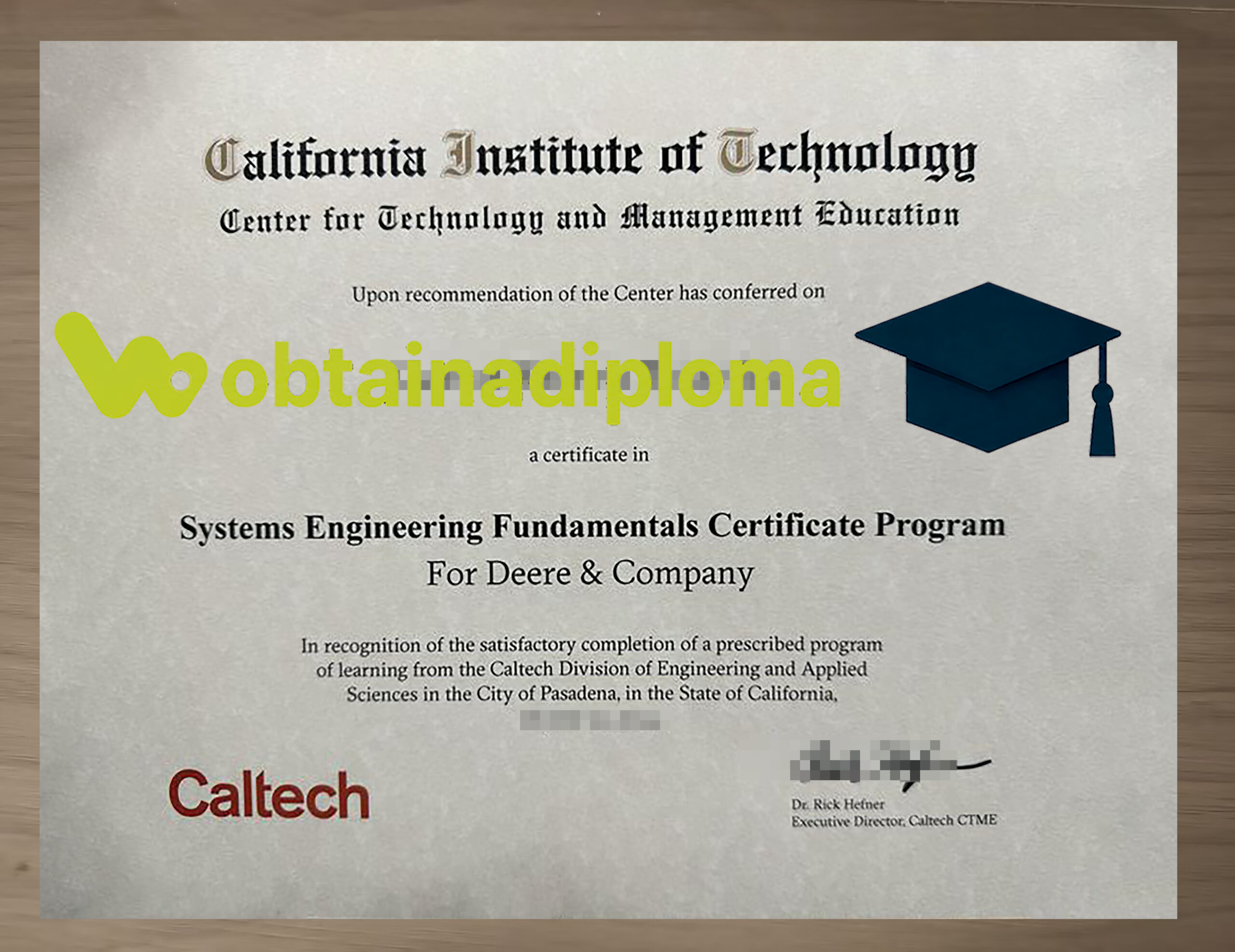
PASADENA, Calif. – On the surface, the numbers seem almost too small to matter. With just over 2,400 students total—less than the enrollment of many single high schools—the California Institute of Technology (Caltech) is dwarfed by the massive student bodies of state. universities california institute of technology diploma,california institute of technology degree,california institute of technology certificate.
How Long Does It Take to Get a universities.california institute of technology diploma online?
Yet, from its 124-acre campus nestled at the base of the San Gabriel Mountains, this small institution has arguably done more to alter the trajectory of human knowledge than almost any other university on earth.
From the discovery of the expanding universe to the first direct observation of gravitational waves; from the invention of the pH meter to the engineering of the rovers currently crawling across Mars, Caltech has earned a reputation not just as a college, but as an intellectual pressure cooker where the world’s brightest minds solve the world’s hardest problems.
The mission of the California Institute of Technology is to expand human knowledge and benefit society through research integrated with education,” states the institute’s mission statement. It is a mission pursued with a ferocity that belies its size.universities california institute of technology diploma,california institute of technology degree,california institute of technology certificate.
The institution began humbly. It was founded in 1891 as Throop University, a vocational school founded by local politician Amos G. Throop. However, the turning point arrived in the early 20th century, driven by the vision of astronomer George Ellery Hale. Hale, along with physicist Robert A. Millikan and chemist Arthur A. Noyes, decided to transform a local manual arts school into a powerhouse for scientific research.
In 1907, the trustees made a radical decision. They disbanded the elementary, business, and high school programs to focus solely on a college of science and technology. The transformation was solidified in 1920 when the institution was renamed the California Institute of Technology. As President Thomas F. Rosenbaum notes, the founders “had the courage of their convictions… completely switching the orientation of the Institute, shrinking its size drastically, even to the point where it might not have continued to exist”.
That gamble paid off. By 1934, Caltech was elected to the Association of American Universities, and it soon became the nexus of “rocket science” through the work of Theodore von Kármán, who helped found the Jet Propulsion Laboratory (JPL).